

A heart attack happens due to atherosclerosis, the buildup of plaque under the coronary arteries. While often attributed to a diet high in processed refined flour, saturated fats, and oily fast foods, plaque is a complex mixture of cholesterol, fatty substances, cellular waste, and calcium. Over time, this plaque accumulates on the inner walls of the arteries, narrowing the pathway and restricting oxygen-rich blood from reaching the heart muscle.
When an artery becomes dangerously narrowed or blocked, doctors often perform an angioplasty to insert a stent. A stent is a tiny, expandable mesh tube that acts as a scaffold to keep the artery open. During the heart treatment, the stent is placed over a balloon catheter and guided to the blockage. The balloon is inflated, expanding the stent against the artery walls to restore blood flow. There are several types of stents used today:
- Drug-Eluting Stents (DES): Coated with medication to prevent the artery from narrowing again.
- Bare-Metal Stents (BMS): Simple mesh tubes without a drug coating.
- Bioresorbable Vascular Scaffolds (BVS): Designed to eventually dissolve after the artery has healed.
- Dual Therapy & Covered Stents: Specialized versions used for complex cases or to prevent further complications.
A healthy lifestyle is the most effective way to prevent Heart attack / Blcokage or plaque buildup and maintain cardiovascular health:
- Dietary Shifts: Prioritize green leafy vegetables and fresh fruits. Minimize the intake of refined flour (maida), trans fats, and excessively oily foods.
- Physical Activity: Consistent cardiovascular exercise such as running, brisk walking, and stretching helps maintain arterial elasticity.
- Yoga and Stress Management: Regular yoga practice can help manage blood pressure and reduce the inflammation that contributes to heart disease.
- Hydration and Routine Checks: Staying hydrated and monitoring cholesterol levels regularly can catch potential issues before they become emergencies.
Understanding the Heart Attack and Its Blood Supply
The heart functions like a pump that circulates blood throughout the body. To perform this function properly, it needs a constant supply of oxygen and nutrients.
The heart receives oxygen through blood vessels called coronary arteries, which deliver oxygen-rich blood directly to the heart muscle.
When these arteries become narrowed or blocked, the heart cannot receive enough oxygen. If blood flow suddenly stops, the heart muscle begins to suffer damage. This condition leads to a heart attack.
Doctors explain that the heart muscle is extremely sensitive to oxygen deprivation. Even a short interruption in blood flow can harm the tissue. This is why identifying the cause of arterial blockage is so important.
The Primary Cause of a Heart Attack
According to medical research, the most common answer to the question, “What is the main cause of a heart attack?” is blockage in the coronary arteries.
This blockage usually occurs due to a condition called coronary artery disease (CAD).
Coronary artery disease develops slowly over time. In this condition, fatty substances accumulate inside the artery walls. These deposits are known as plaque, which contains
- Fat
- Cholesterol
- Calcium
- Other substances found in the blood
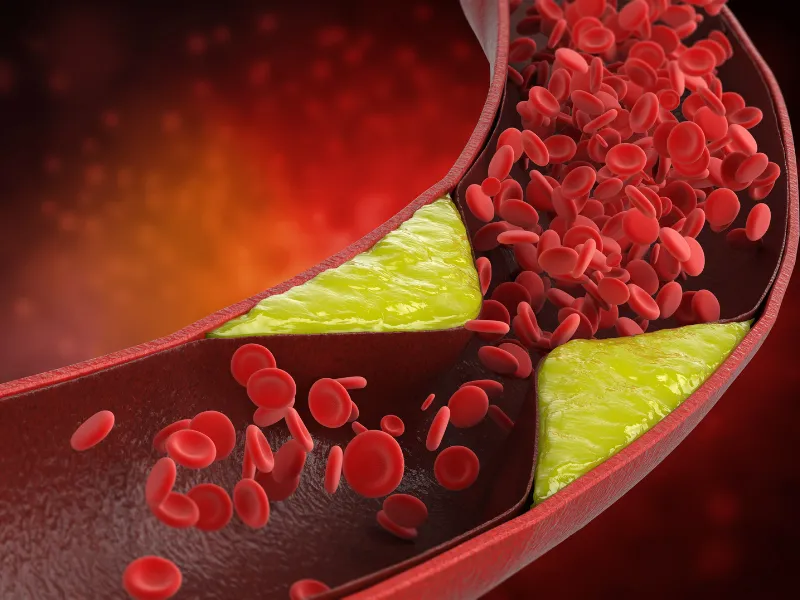
As plaque builds up, the arteries become narrower, reducing blood flow to the heart. If the plaque suddenly ruptures, a blood clot forms around it.
This clot can completely block the artery, stopping blood flow to the heart muscle and causing a heart attack.
How Does Plaque Build Up in the Arteries?
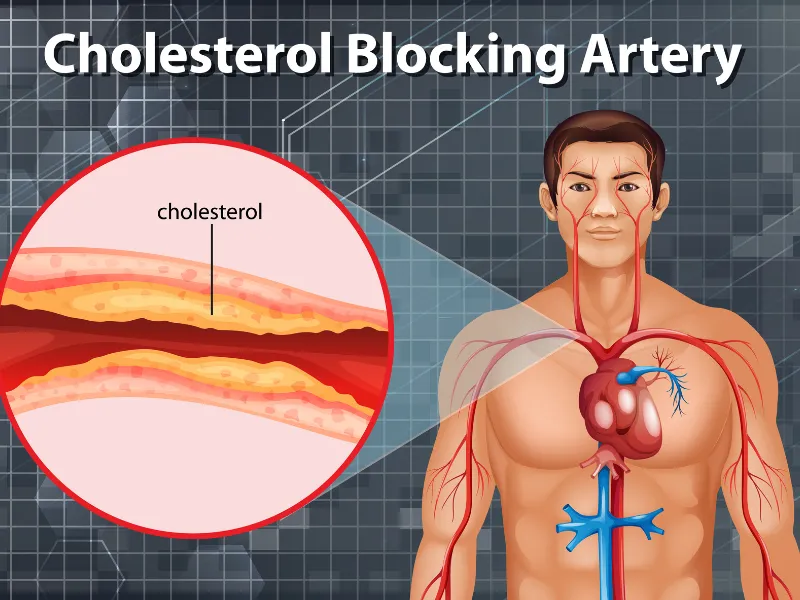
Plaque formation is a gradual process that often begins with damage to the inner lining of the arteries.
Several factors can damage artery walls, including:
- High cholesterol levels
- Smoking
- High blood pressure
Once the artery lining becomes weakened, cholesterol and fats begin to stick to that area. The body responds by forming plaque.
Over time, this plaque becomes thicker and harder, narrowing the artery and restricting blood flow. The heart muscle then receives less oxygen, particularly during physical activity.
Eventually, plaque may rupture. The body reacts by forming a clot to repair the injury. If this clot becomes large enough, it can completely block the artery. At that moment, the heart muscle loses its blood supply.
Risk Factors That Lead to Artery Blockage
Understanding the factors that cause plaque buildup helps answer the question again: What is the main cause of a heart attack?
Several health and lifestyle factors increase the risk.
- High Cholesterol: Excess cholesterol in the blood sticks to artery walls and contributes to plaque formation.
- High Blood Pressure: Constant high pressure damages the inner lining of arteries, making plaque buildup more likely.
- Smoking: Smoking damages blood vessels, increases plaque buildup, and raises the risk of blood clot formation.
- Diabetes: Diabetes affects blood sugar control and damages blood vessels, increasing the risk of artery blockage.
- Unhealthy Lifestyle: Lack of exercise, poor diet, and long-term stress also contribute to plaque buildup and heart disease.
Signs That the Heart Is Not Receiving Enough Blood
When the heart muscle does not receive enough oxygen, the body may produce warning signs.
The most common symptom is chest discomfort.
People may feel:
- Pressure or tightness in the chest
- Pain in the centre of the chest
- Pain spreading to the arms, neck, jaw, or back
Other symptoms may include:
- Shortness of breath
- Sweating
- Dizziness
- Nausea
Recognizing these signs early can help people seek medical care quickly and reduce heart damage.
Why Early Awareness Matters
Many people ignore early symptoms of heart disease because they seem mild. However, understanding the real answer to “What is the main cause of a heart attack?” encourages people to take heart health seriously.
Regular health checkups can help identify risk factors such as high cholesterol or high blood pressure. Doctors can guide patients on lifestyle changes and treatments.
Healthy habits such as
- Balanced nutrition
- Regular exercise
- Avoiding smoking
can significantly reduce plaque buildup in arteries and protect heart health.
Conclusion
Heart attacks usually occur when a coronary artery becomes blocked, stopping blood flow to the heart muscle. This blockage typically develops from plaque buildup inside the arteries over time.
Understanding this process helps people recognize the risks and take steps to protect their heart health. Early awareness, regular health checkups, and proper treatment can save lives.
For trusted cardiac care and expert guidance, many people rely on the specialists at ACE Heart.