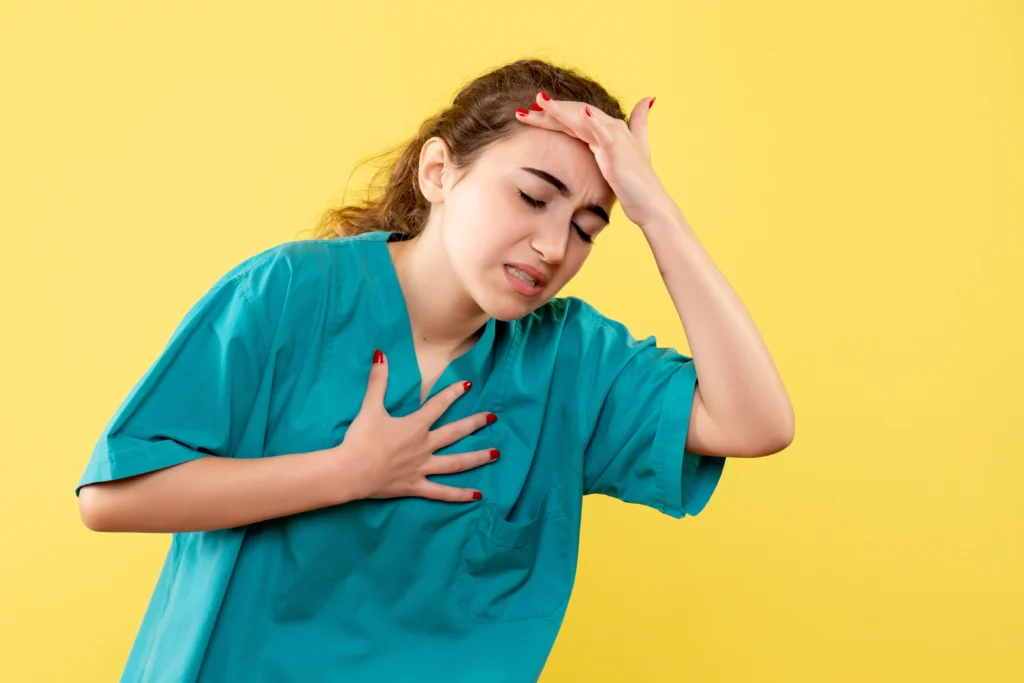
Heart attack is one type of medical crisis. It occurs because of low blood flow towards the heart or complete lack of blood supply to the heart. This affects the functioning of the heart, as there is a shortage of oxygen.
Without immediate medical assistance, damage to heart tissue can occur.
It is common for people to believe that there is only one types of heart attack. Unfortunately, this is incorrect. In reality, there are many types of heart attacks that affect the body in different ways.
They can vary from mild and developing gradually to more severe and sudden attacks. For this reason, knowledge about types of heart attacks will allow reacting faster during medical crisis situations.
Now, let us find out the main types, causes, symptoms, and risk factors.
What Happens During a Heart Attack?
Blood circulation is important for proper functioning of the heart, which receives its energy from blood flow through its veins.
Sometimes, the buildup of fat, cholesterol, and other substances leads to the narrowing of blood vessels. Consequently, circulation becomes reduced.
The blockage by blood clots results in possible types of heart attacks.
Chest pain is often considered the first sign of a heart attack. Yet, there are cases where pain is felt in the jaw, neck, back, and even hands.
That is why symptoms vary among people and, therefore, make the diagnosis of heart attacks difficult.
STEMI Heart Attack
A STEMI heart attack is considered the worst kind of heart attack.
STEMI means ST-Elevation Myocardial Infarction. This occurs because there is complete blockage of the large arteries in your body, thereby cutting off the supply of oxygen to a significant part of the muscles of the heart.
Immediate medical intervention should be sought in case of this kind of heart attack.
Common Symptoms
• Severe chest pain
• Difficulty breathing
• Sweating
• Nausea
• Dizziness
• Pain felt in the left arm
Most of the time, the chest pain is felt as if something heavy or tight was put across the chest area.
NSTEMI Heart Attack
The full form of NSTEMI is Non-ST-Elevation Myocardial Infarction.
NSTEMI infarction is usually not as serious as STEMI. But it is a dangerous condition and must be treated.
Here, the artery may not be completely blocked. Yet, there will be a lack of sufficient blood flow resulting in heart damage.
Signs of NSTEMI
• Chest pain or discomfort
• Fatigue
• Shortness of breath
• Light sweating
• Pain in shoulders or upper back region
In some cases, symptoms may appear minor. Thus, most individuals neglect these signs.
But waiting can make the situation worse.
Silent Heart Attack
A silent heart attack happens without strong symptoms.
Some people may not even know they had one until later. In fact, it is very common.
Instead of severe chest pain, a person may feel the following:
- weakness
- mild discomfort
- body pain
- heartburn-like feelings
- sudden tiredness
Because the signs seem small, people often mistake them for stress, gas, or tiredness.
Silent heart attacks are common in older adults and people with diabetes.
Even though symptoms are mild, the heart can still suffer damage.
Coronary Artery Spasm
It occurs due to sudden tightening of a coronary artery in the heart.
Consequently, the blood circulation is restricted temporarily. Sometimes, there may be total closure of an artery for several minutes.
In contrast to other types of heart attacks, this one does not necessarily arise because of excessive narrowing of the arteries.
Possible causes:
• smoking
• drug abuse
• stress
• cold weather
• hypertension
Pain that arises as a result of artery spasm mostly occurs while resting or sleeping.
Even though this condition does not last for a long time, repeated spasms lead to permanent injury of the heart.
Types of Heart Attacks Caused by Spontaneous Artery Tear
This rare type happens when a tear forms inside a heart artery.
Doctors call this condition SCAD, or Spontaneous Coronary Artery Dissection.
Because of the tear, blood flow becomes blocked.
This condition is more common in women, especially younger women who may not have normal heart risk factors.
Symptoms May Include
- chest pain
- fast heartbeat
- sweating
- shortness of breath
- dizziness
Since the symptoms look similar to other heart attacks, quick testing is important.
Common Risk Factors
Different factors lead to the increase of chances of having types of heart attacks.
The causes can result from the individual’s lifestyle choices, the person’s age or even genetics.
Major Causes
• smoking
• high blood pressure
• diabetes
• overweight
• physical inactivity
• stress
• unhealthy eating
• cholesterol
There are other factors as well, such as excessive consumption of alcohol and inadequate sleep.
Warning Signs You Should Never Ignore
Indications of types of heart attacks can manifest themselves abruptly. Yet they can be manifested gradually within hours or even days.
The following are among the warning indications:
• Pain in the chest
• Pain in the arms
• Neck pain
• Jaw pain
• Difficulty breathing
• Sweating suddenly
• Nausea
• Unusually feeling tired
Symptoms in women differ from those in men. Women could experience pain in the back, tiredness, or stomach discomfort as opposed to chest pain.
The symptoms varying in nature call for immediate medical assistance.
Treatment Options
The treatment will depend on the kind and intensity of the heart attack.
These include:
• medications
• oxygen support
• clot-breaking medications
• angioplasty
• stent
• bypass surgery
Ways to Lower Heart Attack Risk
Simple daily habits can protect the heart.
- eat more fruits and vegetables
- stay active
- drink enough water
- sleep well
- avoid smoking
- manage stress
- maintain healthy weight
In addition, regular health tests help detect problems early.
Small changes today can protect heart health in the future.
Final Thoughts
Types of heart attacks can occur in various forms. There are those that come suddenly and in a very serious way, while there are others that may just have mild symptoms.
It is because of this reason that understanding different types of heart attacks should be something of great significance.
Prompt responses, immediate diagnoses, and living right can help save lives.
People today are more than willing to visit centres such as ACE Heart in regard to guidance for heart health issues. Above all, never disregard unusual chest pains and seek medical attention promptly.