
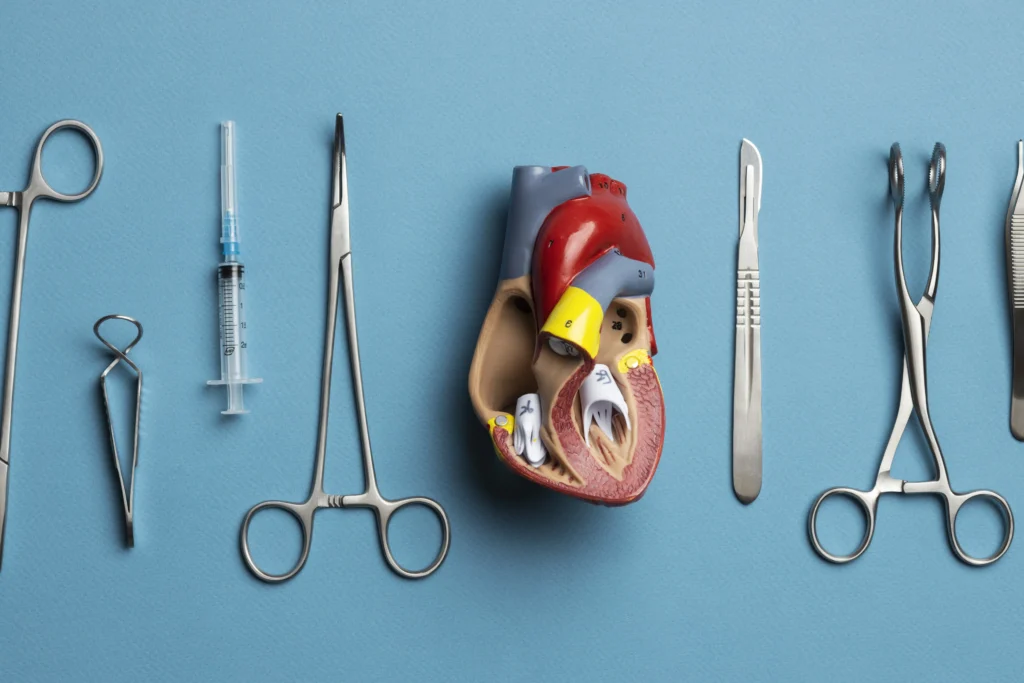
When you look into the heart, have you ever wondered how many types of heart surgery there are and why some doctors use one procedure on this patient and another procedure on a different patient? One of the most common questions when people face heart problems or their relatives are facing heart problems is, “Depending on the heart condition, doctors perform various types of surgeries.” They all serve a different function and are categorized differently. Through this blog, you will learn the different types of heart surgery and how it works for a major role in providing efficient treatment for severe myocardial ailments.
Understanding How Many Types Of Heart Surgery
Heart surgery is any surgical procedure that involves the heart or nearby blood vessels. Doctors perform these operations to address conditions such as clogged arteries, defective valves, or heart failure. Some surgeries are straightforward and quick; others are complicated and involve advanced care.
Depending on how doctors classify them, there will be varying numbers of many types of heart surgery. But most medical experts sort the medicines into broad types based on what they’re used for and how they are administered.
Coronary Artery Bypass Surgery
Coronary artery bypass surgery is one of the oldest and most successful forms of heart surgery. Doctors perform this surgery when the arteries that bring blood to the heart become clogged.
In this process, the surgeon removes a healthy blood vessel from another area of the body and bypasses it around the blocked artery. This assists in normalizing blood flow to the heart.
This operation helps in the better functioning of the heart and reduces the chances of heart attacks.
Heart Valve Surgery
Surgery to repair heart valves is done when one or more of the valves in your heart don’t work properly. Inside the heart, valves regulate blood flow.
They either fix the damaged valve or replace it with an artificial one. Valve repair has a higher preference as it preserves the native structure of the heart.
This surgery is to improve the blood circulation and reduce symptoms like breathlessness and fatigue.
Heart Transplant Surgery
Heart transplant surgeries are performed for very critical cases where there is no way to keep the heart functioning anymore. In this procedure, doctors insert a healthy donor heart to replace the damaged heart.
This type of surgery is often the last resort when other treatments fail. It takes a long time for matching and post-surgical care.
Angioplasty and Stent Placement
Angioplasty is a less invasive heart procedure. Doctors rely on it to clear clogged arteries without major surgery.
In this procedure, a small balloon is placed in the blocked artery and inflated to dislodge the blockage. This technique helps the upper red blood cells move and reduces chest pain.
Minimally Invasive Heart Surgery
It involves smaller cuts than regular surgery. The procedure is performed by doctors using special tools and techniques. This kind of surgery minimizes recovery time and decreases the likelihood of getting infected. Patients generally feel less pain and heal more quickly. And it is gaining popularity due to its amazing advantages.
Open Heart Surgery
Open-heart surgery is a type of surgery that involves opening the chest to access the heart. Doctors might temporarily stop the heart and use a machine to continue circulating blood.
This type of surgery is used for complicated conditions such as multiple blockages or valve problems.
While more intensive, it offers effective results for serious heart problems.
Congenital Heart Surgery
Cardiac surgery is undertaken to repair congenital disabilities. These defects can impact how the heart works.
Doctors do this procedure on kids or, in some cases, adults who did not get help earlier. It benefits heart function and enhances quality of life.
Pacemaker and Device Implant Surgery
Sometimes, the heart doesn’t really beat. Doctors begin regulating heart rhythm with devices like pacemakers. In this procedure, a small device is inserted within the chest to regulate the heartbeat.
Such a procedure allows patients to maintain a steady heart rhythm and decrease the likelihood of experiencing complications.
Variations Among Major Types of Heart Surgery
Every type of heart procedure aims to address a specific need or set of needs. Some surgeries aim to increase blood flow; others fix or replace sections of the heart. The many types of heart surgery chosen depend on the patient’s condition, age, and general health. Doctors take into consideration all the different factors before they suggest a procedure.
Conclusion
The confusion surrounding cardiac surgery often makes it difficult for people to make health decisions. Each of these types of surgery has a specific purpose and may enhance heart function in different ways. Diagnosis and treatment are crucial for a better prognosis early on. When it comes to the health of you and those you love, having guidance from an authoritative provider such as ACE Heart can lead to better outcomes.
Common Questions About How Many Types of Heart Surgery
What is the most common type of heart surgery?
One of the most common types is coronary artery bypass surgery because many people have blocked arteries.
What are the different types of heart surgery?
There are many types of heart surgery, including but not limited to bypass surgery, valve surgery, transplant, and angioplasty.
Is heart surgery always risky?
All surgeries have some risk, yet advances in technology and techniques have made heart surgery safer than ever.
How long does a heart surgery take?
The length of time varies based on the type of surgery. Some procedures only require a few hours, while others may take more time.
Will a person be able to lead a normal life after heart surgery?
Yes, you return to normal life after recovery and proper care.
How long does heart surgery recovery take?
Depending on the procedure, recovery can take anywhere from a few weeks to months.
Are all heart procedures considered open-heart surgery?
No, certain surgeries are minimally invasive as well and do not require a full median sternotomy.
Who needs heart surgery?
People with serious heart conditions, such as blocked arteries, problems with valves, or heart failure, might need surgery.
Is a heart transplant common?
Heart transplant is rarer still, used only for advanced cases.
Is it possible to treat heart conditions without surgery?
Yeast infections can be treated with medications and lifestyle changes, but more severe cases may need surgery.